

EPISODE 2: Packing for Kilimanjaro — Lessons from 6-Time Six-Pack Finisher Jason Parks
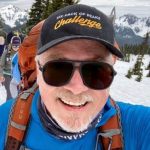
🎙️ Watch or Listen to the Episode
🌄 Episode Overview
In Episode 2 of Social Adventures — Conversations from the Trail, Jeff is joined by Jason Parks, a six-time Six-Pack of Peaks Challenge finisher (Bay Area + Lake Tahoe) who summited Mount Kilimanjaro in February 2025.
With Jeff heading to Kilimanjaro in just two months, this episode goes deep into what to pack, how to train, what really matters on the mountain, and what first-timers should — and shouldn’t — bring.
If you’re planning a Kilimanjaro climb, preparing for any high-altitude adventure, or simply love talking gear, this episode is FULL of insight from someone who has lived it.
👉 Jeff’s full packing list (LighterPack)
👉 Links to Jason’s social media
👉 Recommended gear, tips, and resources
🎒 Topics Covered in This Episode
- How Jason used the Six-Pack of Peaks Challenge to train for Kilimanjaro
- Choosing the right route and number of days
- What summit night really feels like
- What gear made a difference — and what he’d leave behind
- How to pack effectively for porters vs. your daypack
- Thoughts on trail runners vs. boots
- Hydration and electrolyte strategy
- Sleeping system and luxury items that improved comfort
- First aid, hygiene, and staying healthy on the mountain
- Lessons learned, surprises, and what first-time climbers should know
- Jason’s top advice for anyone preparing for Kilimanjaro
🚀 Key Takeaways
1. Slow and steady wins on Kilimanjaro.
Most groups move about 1 mile per hour to maximize acclimatization — speed is not the goal.
2. Hydration matters more than almost anything.
Jason drank 2 liters of electrolytes + 2 liters of water daily, which helped him avoid headaches and altitude issues.
3. Your porter-carried duffel is your friend — but don’t overload it.
You can bring extra layers, but Jason estimates he carried 5–7 lbs of unnecessary clothing.
4. A good sleep system pays dividends.
Jason’s luxury items (sleeping pad + pillow) helped him sleep better than expected — a major win for recovery.
5. Trail runners or boots? It depends.
Trail runners work for most days, but summit night often requires a warmer boot and microspikes/heavy traction.
6. Expect the unexpected.
Weather is variable, altitude affects everyone differently, and even healthy hikers may need evacuation. (Jason’s friend developed HAPE and had to be helicoptered off the mountain.)
7. Talk to your guides and porters.
They’re knowledgeable, friendly, and essential to the experience. Many have summited Kili dozens of times.
🧑🤝🧑 About the Guest: Jason Parks
- Six-time Six-Pack of Peaks finisher
- Completed both Bay Area and Lake Tahoe challenges multiple years
- Summited Mount Kilimanjaro (2025) via the Lemosho Route
- Leads hikes with the Bay Area Hikers community
- Shares adventures on Instagram at Jason’s Hiking Adventures
Jason is known for his positive attitude, strong endurance, and willingness to help other hikers prepare for big adventures.
🎧 Episode Highlights
- Using Six-Pack of Peaks as training for altitude
- How the Lemosho Route compares to others
- Summit night experience, including seeing the glow of headlamps climbing in darkness
- A rare moment where all visible planets aligned in the night sky
- How Diamox affected Jason (and how he adapted)
- Packing insights: base layers, jackets, gloves, and why he brought a poncho
- What to expect from the food on the mountain
- The importance of electrolytes and regimented hydration
- Socks, gators, gloves, and footwear choices
- Tips for staying healthy: sanitation, body wipes, and chafing balm
- Why Jason donated his boots to a porter
- Budgeting for tips and cultural experiences in Moshi/Arusha
- Advice for future climbers: go slow, enjoy the moment, take lots of photos
🏕️ Show Notes & Resources
Jeff’s Kilimanjaro Packing List
👉 https://lighterpack.com/r/o33x8p
Follow Jason:
- Facebook: Jason Parks
- Instagram: Jason’s Hiking Adventures
- Facebook Group: Bay Area Hikers
Related Resources:
📣 Sponsor: Six-Pack of Peaks Challenge
Registration for all 2026 challenges is now open!
One membership gives you access to every region — Bay Area, Lake Tahoe, SoCal, Utah, New England, Adirondacks, and more.
Build your own adventure, earn badges, connect with the community, and train for your big goals like Kilimanjaro, Whitney, and beyond.
👉 Learn more: https://sixpackopeaks.com
📝 Full Episode Transcript
JEFF:
Welcome to the Social Adventures podcast. I am your host, Jeff Hester.
Today, we're diving into one of my favorite topics—preparing for big adventures. As some of you may know, I'm going to be climbing Mount Kilimanjaro this coming January. It’s two months from when we’re recording this.
Tonight, we’re going to talk about packing for Kilimanjaro. We’ll discuss some of the things I’ve already put together on my packing list—which I’ll share in the show notes—and I want to dig into what really works: what to bring, what not to bring, the important items, and maybe the luxury items you’d like to have.
And today, I have the perfect person to help me with that. He is a six-time Six-Pack of Peaks finisher for the Bay Area and Lake Tahoe Challenges. Earlier this year—I think February 2025, right?—he summited Mount Kilimanjaro.
Jason Parks, welcome to the show.
JASON:
Thank you very much, Jeff, for having me. I love to talk about hiking anytime, anywhere, any place—especially Kilimanjaro. It was quite an achievement.
Jason’s Background
JEFF:
Jason, before we get started, give folks an overview of your outdoor background. I know you’ve completed the Six-Pack of Peaks Challenge multiple years in a row—six times altogether across two regions. How did those experiences shape your approach to preparing for Kilimanjaro?
JASON:
Using the challenges and being very social—I put them out there—I had a lot of other people come with me. I was looking for elevation gain and endurance. I even cheated a little bit and made some of the hikes a little bit longer. I always carried a heavier pack for training, which is really important.
JEFF:
Handicapping.
JASON:
Yes. People said I’m quick and fast, and I’d get asked a few times why I made the hikes longer. I wanted more endurance training. With my location, Tahoe is the closest place with real elevation, so I hit up Tahoe as much as possible.
I also did Mount Whitney in 2022 and 2023—both overnight permits. Kilimanjaro felt like the next evolution.
Overview of Jason’s Kilimanjaro Climb
JEFF:
Give us an overview—your route, number of days, and what the experience was like.
JASON:
We researched and wanted to do a seven-day climb. The Lemosho Route seemed best for scenery and beauty. We arrived two days before the climb and stayed two days after to acclimate and rest.
The climate was steady. The only tricky part was the Barranco Wall—I wished I had approach shoes, but my boots worked.
Summit night was the longest day. Most days were five to seven miles. One day was twelve miles for acclimatization. The night before the summit, we left at 11 PM, summited around 7–8 AM, then descended to the next camp—twelve miles that day.
You start at 14–15,000 feet and go to 19,341. All you can see are the glows of headlamps going up. You can look down at Arusha. We were lucky—it was the planetary alignment, so we could see Jupiter, Mars, Neptune, Uranus. Amazing.
Unfortunately, my friend Winston developed HAPE and had to be helicoptered off the night before we summited. He had insurance, which was mandatory. He recovered after about six weeks.
What Surprised Jason Most
JEFF:
What surprised you most—good or bad—for someone preparing like I am?
JASON:
The trail is manageable. Not easy, but very walkable. You go slowly—you’re not running. I took a thousand photos.
Weather was very pleasant. Only rained five minutes on day one.
Cold nights—some frost on tents.
The guides manage pacing—guide in front, middle, back.
Packing surprises
I did a lot of research. I had three bags total—two checked, one carry-on. Our weight limit for the porter bag was 30 pounds.
I brought:
- 500-fill down jacket
- 800-fill down jacket with hood
- Waterproof wind shell
- Fleece zip
- 3–4 base layers
- Silk and merino underwear
- Fresh socks and underwear for each day
- 2 shorts, 3 pants, rainshell
- Poles, microspikes
- Snacks
- Mid-to-heavy gloves
- Headlamp, beanie, goggles
- Face balm, lip balm, sunscreen
I rented the sleeping bag and pad.
My luxury item: my own air mattress pad and backpacking pillow. I slept great.
I carried a 3-liter water bladder plus 1 liter electrolytes daily. Hydration made a big difference.
Hydration & Diamox
JEFF:
Were you drinking intentionally, or were you thirsty?
JASON:
I hydrated extremely well. I never lost my appetite. I took one Diamox pill at night—full dose in the morning. Diamox didn’t agree with me before, so this routine worked for me.
Walking Through Jeff’s Gear (LighterPack List)
(The transcript includes a long, detailed back-and-forth about trekking poles, backpack choices, pack liners vs rain covers, ponchos, water bottles, using the iPhone for photos, headlamps, battery packs, snacks, packing strategy, gaiters, footwear, etc.—all preserved but neatly structured if you’d like a second “condensed edit.”)
Summit Night Clothing
JASON:
Summit night, I wore:
- Smartwool base layer
- Hiking pants
- Mid-weight long sleeve
- Fleece zip-up
- Down jacket
- Windbreaker shell
- Beanie
- Gaiters
- Boots
- Mid-weight gloves + heavy gloves
- Headlamp, pack
Used heavier sleep thermals at night, plus heavy socks.
Rented sleeping bag was warm enough.
First Aid & Hygiene
Useful items:
- Blister pads
- Advil
- Body wipes
- Chafing balm
- Toothbrush/paste
- Deodorant
- Hand sanitizer
- Personal wipes
The porter team provided a private toilet tent.
Everyone ends up with “Kili hair.”
Hydration + sanitation were essential.
GI Issues, Malaria Meds, Vaccines
JASON:
I was fine—no GI issues. I hydrated well.
I stopped taking the malaria pill after two days (it made me feel off).
Got the mandatory vaccines.
JEFF:
I got Hep A/B, Diamox, and chose not to take malaria meds.
JASON:
If you donate blood, Red Cross won’t take you for 3 months after returning due to malaria precautions.
Snacks & Food
JASON:
They provide good food: eggs, chicken, fish, etc.
For snacks, I brought:
- Jerky
- Payday bars
- Trail mix
- Electrolytes
Avoid items that freeze.
I overpacked snacks and gave many away to porters.
Lessons Learned
JEFF:
Top three lessons you wish someone told you?
JASON:
- Don’t be intimidated. The mountain isn’t as hard as people hype it to be (except summit night).
- Hydration + pacing are everything. Go slow. Pole-pole.
- Weather is unpredictable. Pack for worst, hope for best.
Bonus: The porters want you to succeed. They monitor your health closely.
Final Advice
JASON:
Live in the moment. Take lots of photos. Talk to porters—they’re incredible people. If passing through Qatar, explore the airport or take the city tour. If you have time, do a safari afterward.
Eat local. Explore the city.
They no longer accept American cash—convert to Tanzanian shillings. You can bargain with vendors.
Where to Find Jason
JASON:
Facebook: Jason Parks
Facebook Page: Jason’s Hiking Adventures
Instagram: Jason’s Hiking Adventures
Bay Area Hikers group on Facebook
Sponsor Message
JEFF:
This episode is sponsored by the Six-Pack of Peaks Challenge Series. Registration for 2026 is open. One registration gives you access to all challenges—mix and match regions to build your own adventure.
You’ll be supported by the entire Social Hikers community and challenged to reach new summits—Whitney, Kilimanjaro, or whatever your “big adventure” might be.
Links are in the show notes.
If you’re enjoying this podcast, be sure to subscribe, leave a review, and share with fellow hikers. Thanks for listening—and we’ll see you online.
🎉 Enjoyed this Episode?
If you found this helpful:
- Subscribe on Spotify or YouTube
- Leave a review (it really helps with launch visibility!)
- Share this episode with someone preparing for a big adventure
- Send us your stories at: https://socialhiker.net/podcast


Responses